Conservation Wealth Uganda
Poverty graduation as a conservation strategy. Most conservation hunting in Uganda’s forest-edge communities is driven by poverty, not ignorance, so we treat poverty as the problem to solve.
Awareness Alone Doesn’t Stop Poaching
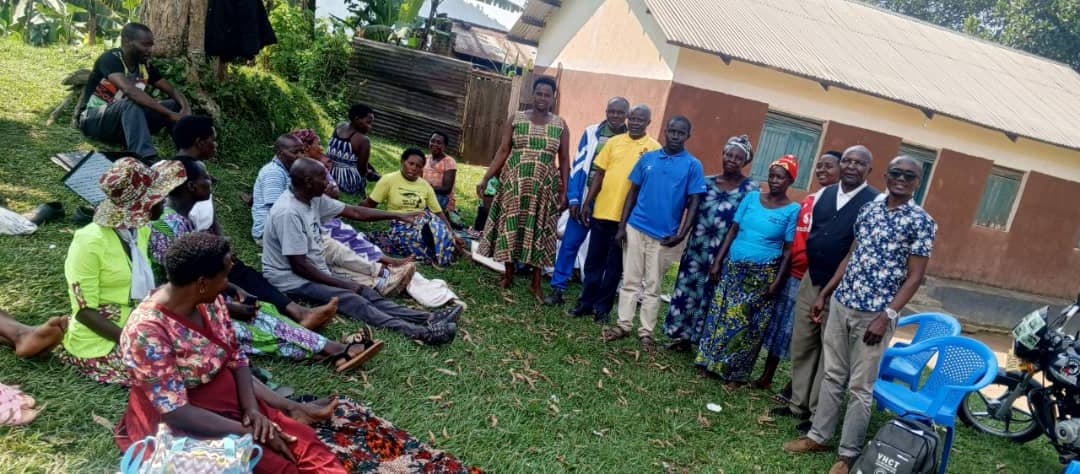
Early in the founder’s conservation work, community sensitisation meetings were the main tool: explain why wildlife matters, and behaviour will follow. People agreed pangolins and gorillas mattered, yet poaching continued anyway, because it was driven by poverty, not a lack of understanding. Knowledge cannot compete with a family’s need to eat.
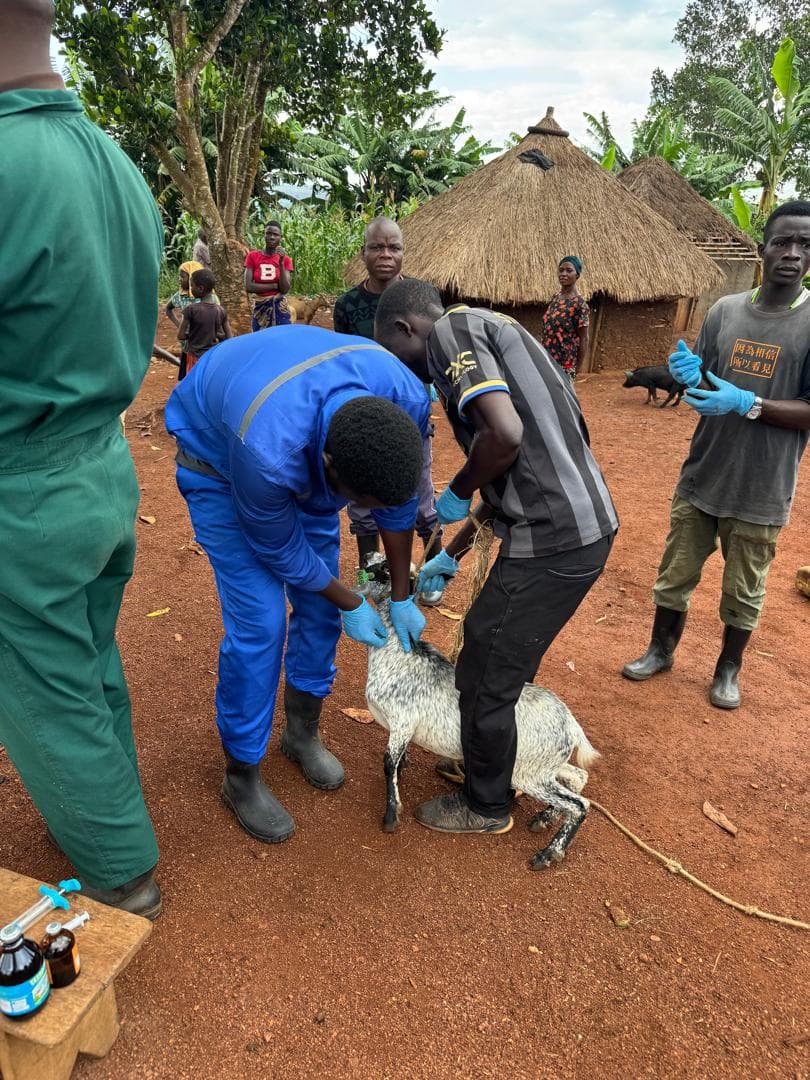
That lesson reshaped the programme. Conservation Village now pairs conservation education with a real economic alternative, and treats keeping that alternative alive, through veterinary One Health support, as inseparable from the conservation outcome itself.
“Giving livestock is only half the solution. If the animals die, families lose everything and return to poaching. Keeping these animals healthy is how we keep wildlife safe.”
A Closed Loop, Not a Handout
Four connected steps turn a one-time livestock gift into a lasting exit from forest dependence.
A productive starting asset
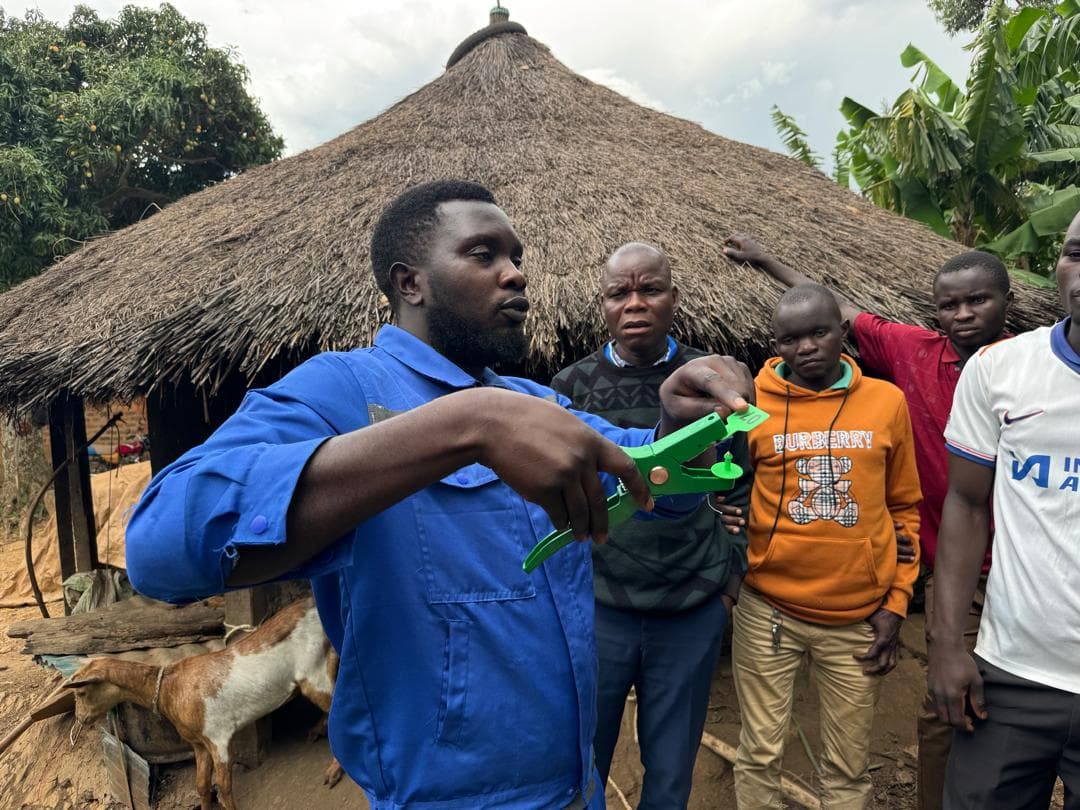
Trained mentors provide a household with livestock (goats, pigs or sheep) as a first productive asset, chosen to suit the family’s land and circumstances.
A closed loop with the land
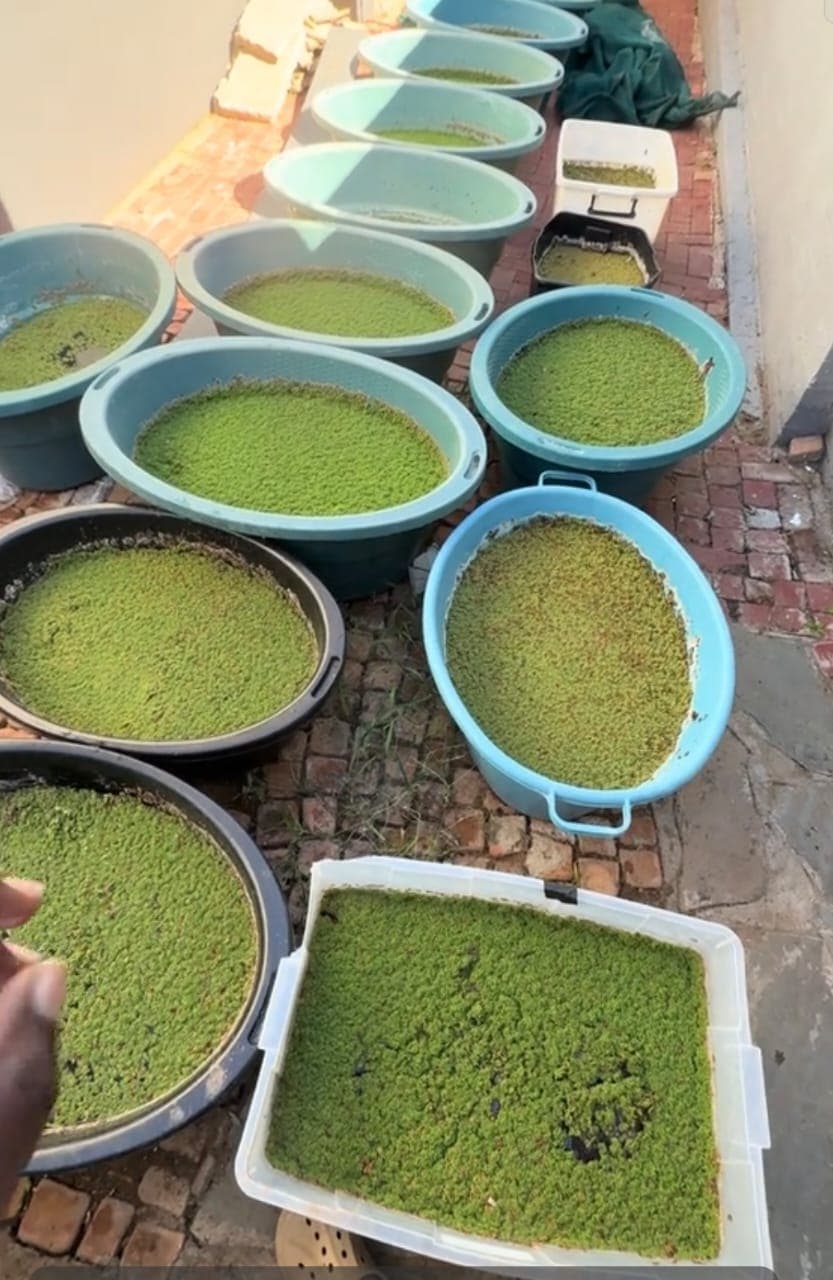
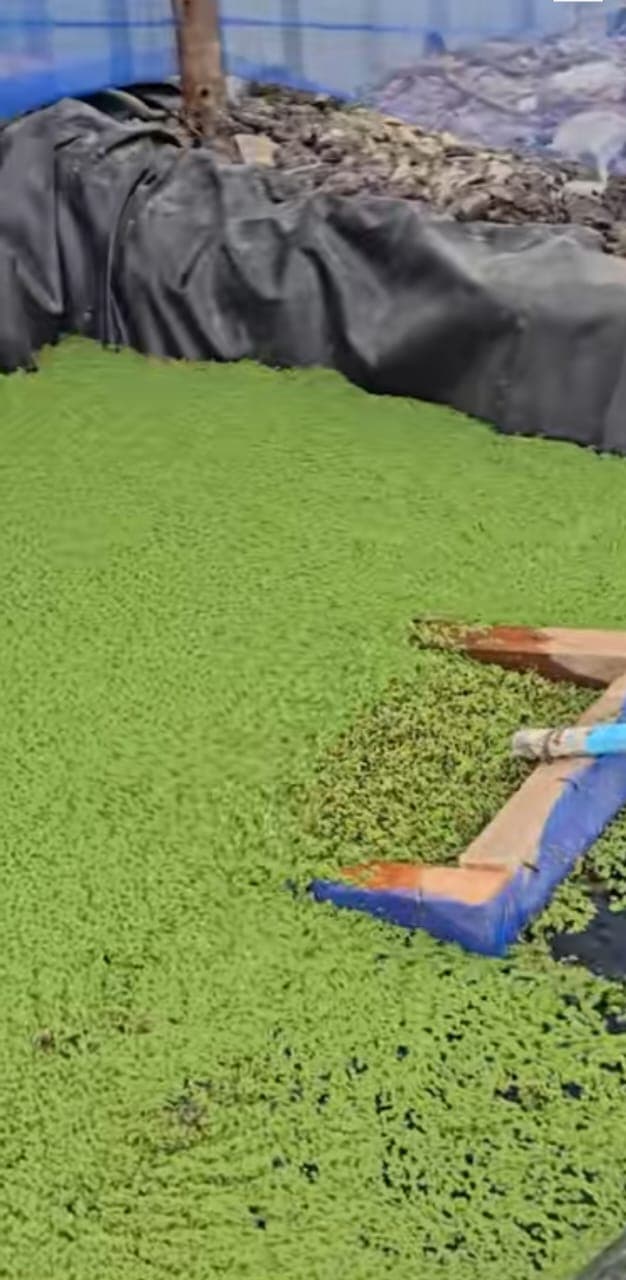
The animals provide food, milk and income. Their manure fertilises household crops, crop residues feed the animals in return, and many households now grow Azolla, a fast-growing aquatic fern, as an additional low-cost feed source.
One Health keeps it alive
Vaccination, monitoring and disease control keep the herd healthy. This is the decisive step: a family that loses its livestock to preventable disease has little left to lose by returning to poaching.
From hunters to allies
Former hunters who join the programme are trained to use their forest knowledge for conservation, locating and removing wire snares as active anti-poaching allies.
Connected to Every Species We Protect
Conservation Wealth Uganda runs alongside every field programme Conservation Village leads. In the Budongo–Mukihani corridor it gives would-be pangolin hunters an alternative income and turns them into anti-snare allies who now patrol for and remove wire snares. Around Bwindi it reduces the pressure that pushes households toward the mountain gorillas’ forest range. Households that join the programme have shown fewer illegal forest incursions and stronger attitudes toward wildlife conservation, since the same closed-loop logic applies wherever a family’s next meal competes with a species’ survival.
Help Us Reach More Households
We are looking for funding and research partners to expand Conservation Wealth Uganda to more forest-edge households across our landscapes, and to strengthen the veterinary support that keeps every closed loop intact.